Introduction: Why I Chose Laravel and Laracasts
As someone who's been exploring web development through various frameworks and approaches, I found myself drawn to Laravel for its elegant syntax, comprehensive features, and strong community. After experimenting with different PHP frameworks and feeling overwhelmed by the complexity, I decided to take a more structured approach to learning Laravel.
That's when I discovered Laracasts' "30 Days to Learn Laravel" series. The promise of a systematic, day-by-day approach to mastering Laravel was exactly what I needed. Jeffrey Way's reputation for clear, practical teaching made this an obvious choice for my learning journey.
I set up a dedicated workspace separate from my experimental learning materials, determined to follow through with all 30 episodes. My goal was simple: build a solid foundation in Laravel that would allow me to create professional-grade web applications.
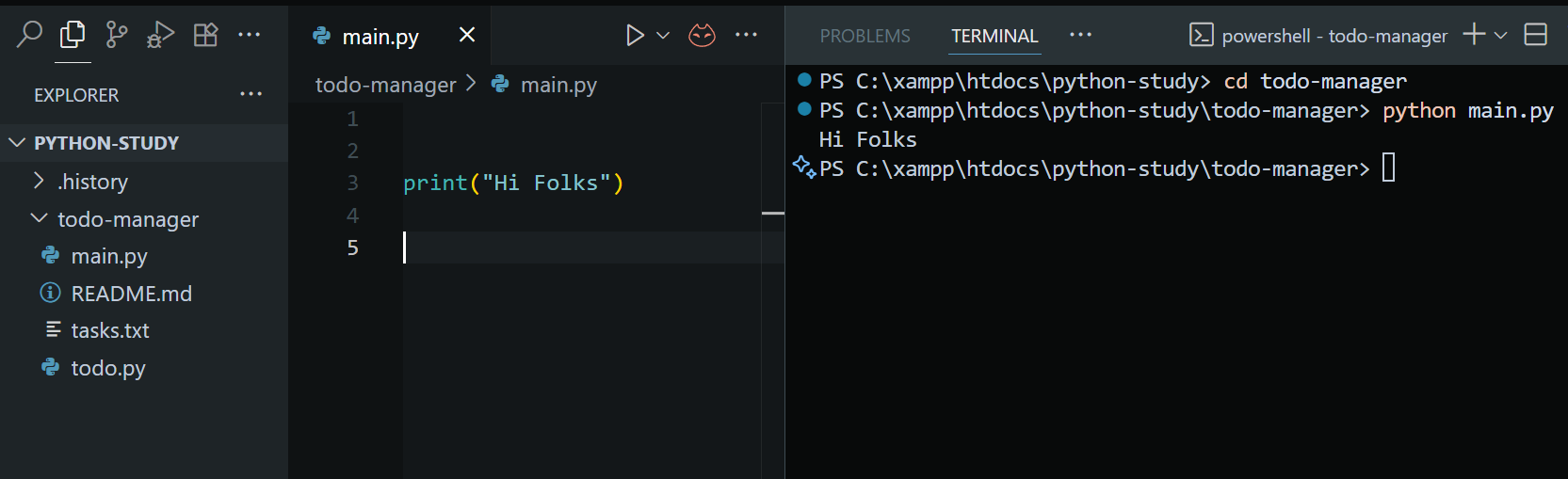
Setting up my dedicated Laravel learning environment
Setting Up My Learning Environment
Before diving into the Laracasts series, I ensured my development environment was properly configured:
- XAMPP Setup: Local Apache, MySQL, and PHP environment
- Composer Installation: Global Laravel installer for easy project creation
- VS Code Configuration: Laravel extensions, PHP IntelliSense, and Tailwind CSS support
- Git Version Control: Proper tracking of my learning progress
I organized my learning with both experimental materials and the structured Laracasts course. Creating a separate workspace for the 30-day challenge was crucial - it kept my learning environment clean and focused, preventing confusion between different projects.
Phase 1: The First 10 Episodes - Building the Foundation
Episode 1: Hello, Laravel - My First Encounter
Setting up the development environment was my first challenge. Comparing it with my existing XAMPP setup helped me understand the differences between traditional PHP development and Laravel's approach. When I saw "Hello, Laravel" appear in my browser for the first time, it was a moment of pure excitement.
Jeffrey Way's teaching style immediately resonated with me. His explanations were clear, his examples practical, and his enthusiasm for Laravel was contagious. I could tell this was going to be a transformative learning experience.
Episode 2: Your First Route and View - Understanding the Flow
This episode was a game-changer. Learning how requests flow through a Laravel application finally made the web development process click for me. Creating my first three-page layout with routing and views was incredibly satisfying.
The "aha!" moment came when I understood how URLs map to code. It was like a lightbulb went off - suddenly, the relationship between the browser, server, and application code made perfect sense.
Episode 3: Create a Layout File Using Blade Components - DRY Principle in Action
Moving from duplicated HTML to reusable components was revolutionary. Understanding Laravel's Blade templating engine opened my eyes to the power of component-based thinking. The elegance of component-based layouts changed how I thought about HTML structure entirely.
This episode taught me the importance of the DRY (Don't Repeat Yourself) principle in web development. Creating reusable components wasn't just about efficiency - it was about building maintainable, scalable code.
Episode 4: Make a Pretty Layout Using Tailwind CSS - Styling Breakthrough
Introduction to Tailwind CSS through Laravel was eye-opening. Creating visually appealing layouts without custom CSS felt like magic. The utility-first approach clicked for me immediately, and I found myself comparing it to my previous Bootstrap experience.
Tailwind CSS's approach to styling was liberating. Instead of fighting with CSS specificity and creating custom classes, I could build beautiful interfaces using utility classes. This episode marked the beginning of my appreciation for modern CSS frameworks.
Episode 5: Style the Currently Active Navigation Link - Dynamic UI Elements
Learning to use Laravel's Request object for conditional styling was a breakthrough moment. Understanding how to make interfaces feel responsive and interactive was incredibly satisfying. Building truly dynamic navigation showed me how small details make a big difference in user experience.
This episode demonstrated Laravel's attention to detail and how it makes common web development tasks elegant and straightforward. The Request object became one of my favorite Laravel features.
Episode 6: View Data and Route Wildcards - Passing Data Around
Understanding the controller-to-view data flow was crucial for building dynamic applications. Working with route parameters and wildcards opened up new possibilities for creating flexible, data-driven pages. Building dynamic pages that respond to URL parameters felt like real web development.
This episode laid the foundation for more complex data interactions. Understanding how data flows through Laravel applications became the cornerstone of my Laravel knowledge.
Episode 7: Autoloading, Namespaces, and Models - The MVC Revelation
This was the episode where everything clicked. Understanding PSR-4 autoloading and why it matters was like unlocking a new level of PHP development. Grasping namespaces and their role in organization made the codebase structure crystal clear.
The Model-View-Controller architecture finally made sense. How Laravel's structure promotes clean, maintainable code became obvious, and I could see why Laravel is considered one of the best PHP frameworks available.
Episode 8: Introduction to Migrations - Database Version Control
Moving from manual database creation to PHP blueprints was revolutionary. Understanding migrations as database version control opened my eyes to a new way of thinking about database management. The power of defining database structure in code was immediately apparent.
This approach scales beautifully for team development. Instead of manually creating databases or sharing SQL scripts, I could version control my database schema alongside my application code. This episode showed me Laravel's enterprise-ready features.
Episode 9: Meet Eloquent - The Game-Changer
Introduction to Laravel's ORM and Object-Relational Mapping was the moment I fell in love with Laravel. Moving from raw SQL to elegant PHP objects was like upgrading from a bicycle to a sports car. The moment database interactions became intuitive was incredibly satisfying.
Understanding why Eloquent is considered Laravel's crown jewel became clear. The elegance of working with database records as PHP objects, the intuitive relationship definitions, and the powerful query builder all combined to create an incredible development experience.
Episode 10: Model Factories - Smart Test Data Generation
Learning about factories for creating example data was the perfect capstone to the first 10 episodes. Understanding the importance of seeding development environments with realistic data made testing and development much more efficient.
This episode laid the foundation for more advanced testing concepts. Model factories weren't just about creating test data - they were about building a robust development workflow that scales with your application.
Key Concepts That Transformed My Understanding
Through these first 10 episodes, I saw Laravel's philosophy of "convention over configuration" demonstrated repeatedly. The framework's elegant syntax and developer-friendly approach became evident in every example. The ecosystem and community support were evident in Jeffrey's teaching, making complex concepts accessible.
Technical Breakthroughs from the First 10 Episodes
- Request Lifecycle (Episodes 1-2): Understanding how URLs become responses
- Blade Components (Episode 3): Component-based thinking for reusable UI
- Dynamic Styling (Episode 5): Using Laravel's Request object for interactive UIs
- MVC Architecture (Episode 7): The separation of concerns finally making sense
- Database Migrations (Episode 8): Version control for database schemas
- Eloquent ORM (Episode 9): Object-oriented database interactions
Mistakes I Made and Lessons Learned
Initially, I tried to rush through episodes without fully understanding each concept. I found myself watching multiple episodes in one sitting, thinking I could absorb everything quickly. This approach backfired - I retained very little and had to rewatch episodes.
I also underestimated the importance of understanding MVC before diving deeper into Laravel's features. The foundational concepts from episodes 1-7 were crucial for understanding the more advanced topics in episodes 8-10.
How I Corrected My Approach
I learned to slow down and truly understand each concept before moving forward. Creating a dedicated workspace separate from my experimental learning materials was crucial. I started actively coding along with Jeffrey rather than just watching, which dramatically improved my retention.
I embraced new tools like Tailwind CSS instead of sticking to familiar ones like Bootstrap. Taking better notes and referring back to previous episodes when needed became part of my learning routine.
Current Progress and What's Next
I'm now comfortable with Laravel's directory structure and conventions. I can confidently create layouts and components with Blade, and I understand how data flows through Laravel applications. Basic proficiency with Eloquent ORM and database interactions has opened up new possibilities for building dynamic applications.
Most importantly, I've developed an appreciation for Laravel's elegant approach to common web development tasks. What used to require complex setup and configuration now feels natural and intuitive.
The Remaining 20 Episodes: My Learning Roadmap
- Episodes 11-15: Advanced Eloquent, relationships, and complex queries
- Episodes 16-20: Forms, validation, and user authentication systems
- Episodes 21-25: File uploads, storage, and more advanced features
- Episodes 26-30: Testing, deployment, and professional development practices
Conclusion: 10 Days Down, 20 to Go
Reflecting on these first 10 episodes, I'm amazed at how much I've learned in such a short time. The structured Laracasts approach has accelerated my Laravel understanding beyond what I could have achieved through self-study alone. The confidence gained from building real functionality in just 10 episodes is incredible.
I'm excited for the more advanced concepts coming in episodes 11-30. The combination of theoretical preparation with practical tutorials has created a deeper learning experience than I anticipated. Each episode builds naturally on the previous one, creating a solid foundation for advanced Laravel development.
Join Me on This Journey
If you're considering learning Laravel, I highly recommend starting with Laracasts' "30 Days to Learn Laravel" series. The structured progression, Jeffrey Way's excellent teaching, and the practical approach make it the perfect starting point for any aspiring Laravel developer.
I'll be documenting my progress through the remaining 20 episodes, sharing insights, challenges, and breakthroughs. Follow along as I continue building my Laravel skills and working toward my goal of becoming a proficient Laravel developer.
The journey continues...